Preventing Insect Infestations in Warehouses and Industrial Buildings
People searching for preventing insect infestations in warehouses and industrial buildings aim to stop pests before they invade, and local contractors can provide effective prevention solutions.
If you manage a warehouse or industrial building, understanding how to prevent insect infestations is essential for maintaining a safe and efficient operation. Insect issues can lead to product contamination, damage to stored goods, and increased sanitation challenges-making proactive prevention a key concern for property owners in the area. Exploring practical strategies and solutions can help safeguard your facility, and local contractors specializing in pest prevention are equipped to provide tailored services that address the unique needs of industrial environments.
Many property owners find value in working with experienced service providers who understand the complexities of insect control in large-scale settings. These professionals offer insights into effective prevention methods, such as sealing entry points and managing environmental conditions, which can significantly reduce the risk of infestations. Keep reading to learn more about how local experts can assist in developing a comprehensive approach to preventing insect problems in warehouses and industrial buildings.
- Warehouse pest management - businesses experiencing signs of insect activity can rely on local contractors to implement targeted prevention strategies.
- Industrial building pest control - facilities seeking to avoid infestations often work with service providers who specialize in integrated pest prevention methods.
- Insect infestation prevention - companies aiming to protect inventory and equipment can contact local pros to establish ongoing prevention plans.
- Commercial pest prevention - warehouses concerned about maintaining a pest-free environment may partner with local contractors for comprehensive solutions.
- Storage facility pest services - owners looking to prevent insect problems before they start can consult with local service providers experienced in industrial settings.
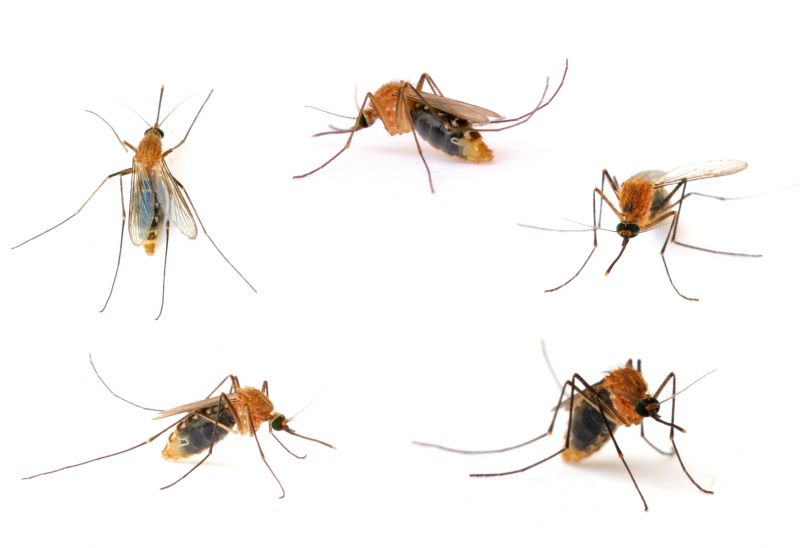

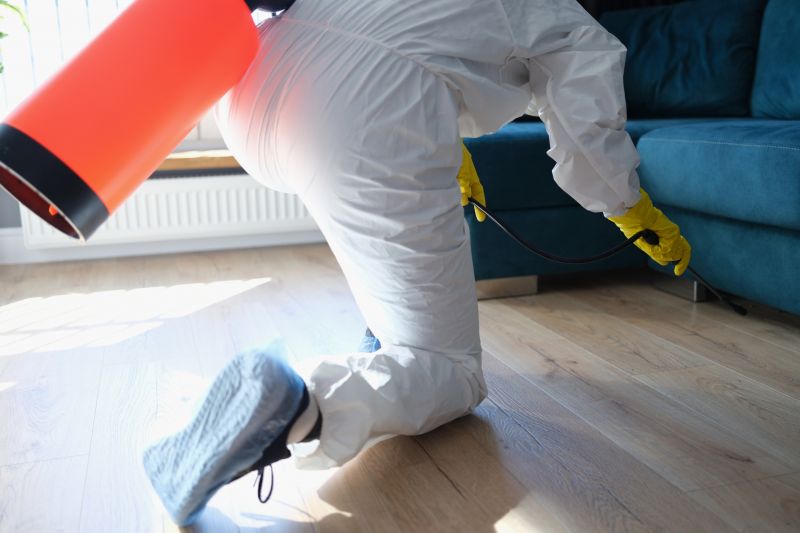
When searching for information on preventing insect infestations in warehouses and industrial buildings, most people are concerned about safeguarding their property from pests such as rodents, ants, cockroaches, and stored product insects. These searches often stem from worries about the impact pests can have on inventory, equipment, and overall operations. Business owners and facility managers are typically looking for effective strategies to keep their spaces pest-free, whether through regular inspections, sanitation practices, or preventative treatments. The goal is to avoid disruptions caused by infestations, which can lead to product contamination, damage, or even regulatory issues. Understanding what measures are available and how local service providers can assist is key to maintaining a secure and pest-free environment.
Preventing insect infestations in warehouses and industrial buildings relates closely to planning and implementing proactive pest control measures. Common problems include the entry of pests through cracks, gaps, or poorly sealed doors, as well as attracting pests with food residues or moisture buildup. Many property owners develop plans that combine sanitation, structural repairs, and targeted treatments to create a barrier against pests. These efforts often involve routine inspections to identify vulnerabilities early and establish ongoing prevention strategies. Local insect infestation prevention professionals play a vital role in assessing properties, recommending customized solutions, and applying treatments designed to deter pests before they become a problem.
The types of properties that frequently come up in discussions about preventing insect infestations in warehouses and industrial buildings tend to be large-scale commercial facilities, manufacturing plants, storage warehouses, and distribution centers. These properties often have extensive storage areas, high ceilings, and complex layouts that can make pest prevention challenging. They may store raw materials, finished goods, or equipment, all of which can be attractive to pests if not properly managed. Additionally, some industrial buildings have areas with moisture, debris, or food residues that create ideal conditions for insects and rodents. Local service providers understand the unique needs of these property types and can tailor pest prevention plans to fit their specific layout and usage.
For homeowners or smaller property owners who manage or oversee larger industrial spaces, understanding how preventing insect infestations in warehouses and industrial buildings connects to their projects is important. Even if the property is not a large commercial facility, pest issues can still arise and affect operations or property value. Local pest prevention professionals can help by providing inspections, treatment plans, and ongoing preventive measures suited to the property's size and use. They can also assist in identifying potential entry points, sanitation issues, and structural vulnerabilities that could lead to infestations. Connecting with experienced local contractors ensures that the right strategies are in place to protect the property from pests, ultimately supporting a clean, safe, and efficient environment.
Warehouse pest management - professionals specializing in pest control strategies for large storage facilities often utilize similar planning and tools to prevent insect infestations in industrial buildings.
Rodent exclusion services - these projects involve sealing entry points and implementing barrier methods, skills that are directly applicable to preventing insect entry in warehouses.
Building sanitation and cleaning projects - maintaining cleanliness to reduce attractants for pests shares common practices with insect infestation prevention efforts.
Structural repair and sealing projects - fixing cracks, gaps, and vulnerabilities in building exteriors helps prevent pest ingress, aligning with insect control measures.
Storage facility organization services - optimizing storage layouts reduces clutter and pest hiding spots, supporting insect prevention strategies.
Environmental sanitation consulting - advising on waste management and moisture control complements insect infestation prevention in industrial settings.
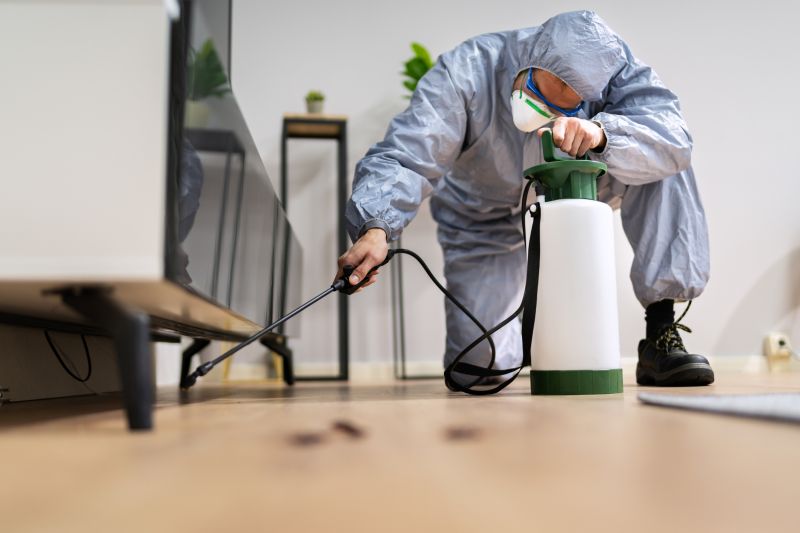
When evaluating service providers for preventing insect infestations in warehouses and industrial buildings, it’s important to consider their experience with similar projects. A contractor with a proven track record in handling pest prevention in large-scale commercial environments can offer insights into effective strategies and potential challenges specific to such settings. Asking about previous work in comparable facilities can help ensure the contractor understands the unique needs of industrial spaces and has the practical knowledge to implement reliable prevention measures.
Clear written expectations are essential when comparing local contractors. A reputable service provider should be able to outline the scope of work, the methods they plan to use, and the desired outcomes in a straightforward manner. This transparency helps prevent misunderstandings and ensures that both parties are aligned on what the pest prevention process will entail. Well-defined expectations also serve as a foundation for evaluating the quality of service and the professionalism of the contractor.
Reputable references and effective communication are key indicators of a trustworthy service provider. Contacting past clients or reviewing references can provide valuable feedback on the contractor’s performance, reliability, and ability to deliver results. Additionally, a contractor’s responsiveness and clarity in communication reflect their commitment to customer service and their capacity to address ongoing concerns or questions. Prioritizing these qualities can help ensure that the chosen service provider will be attentive to the specific needs of preventing insect infestations in warehouses and industrial buildings.
Property owners often search for preventing insect infestations in warehouses and industrial buildings when they are planning practical projects around their homes and businesses. Local pros provide Insect Infestation Prevention services for everyday jobs and straightforward project options.

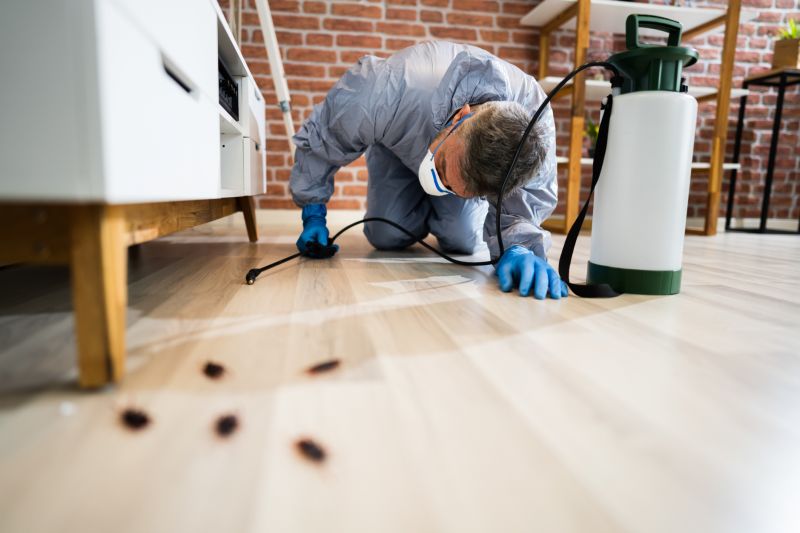
In many warehouse and industrial settings, preventing insect infestations in warehouses and industrial buildings is a common concern for property owners. These environments often have large storage areas, food products, or materials that can attract pests if not properly managed. Simple measures such as sealing entry points, maintaining cleanliness, and controlling moisture levels can go a long way in reducing the risk of an infestation. Property owners might look for advice and services from local contractors who specialize in pest prevention to ensure their facilities stay pest-free and avoid the disruptions that come with an insect problem.
Local service providers offer practical solutions tailored to the unique needs of warehouses and industrial buildings. They can assess the property for potential vulnerabilities and implement preventative strategies, from installing barriers to setting up ongoing monitoring systems. Property owners often seek out these experts to help maintain a pest-free environment, protect inventory, and uphold safety standards. Connecting with experienced local contractors ensures that measures to prevent insect infestations are effective and aligned with the specific challenges of industrial spaces.
What are effective methods for preventing insect infestations in warehouses and industrial buildings? Local service providers often recommend a combination of sanitation practices, sealing entry points, and regular inspections to prevent insect infestations in warehouses and industrial buildings.
How can I identify signs of an insect infestation early? Professionals suggest monitoring for signs such as droppings, shed skins, damage to stored products, or live insects, which can be identified during routine inspections by local contractors.
What structural measures help reduce the risk of insect entry? Local pros may advise sealing cracks, installing door sweeps, and maintaining proper ventilation to minimize entry points and reduce the likelihood of infestations.
Are there specific areas in warehouses that are more vulnerable to insect infestations? High moisture zones, storage areas with food or organic materials, and dark, cluttered spaces tend to be more vulnerable, and local service providers can target these areas during inspections and treatments.
What ongoing prevention strategies do service providers recommend? Regular cleaning, routine inspections, proper waste management, and timely treatments are common strategies recommended by local contractors to help prevent insect infestations in industrial settings.
Seal entry points - sealing gaps, cracks, and openings helps prevent insects from entering warehouses and industrial buildings, and local contractors can assist with effective sealing solutions.
Implement sanitation practices - maintaining cleanliness and removing food sources reduces attractants for pests, with local service providers offering sanitation and pest prevention advice.
Install physical barriers - applying screens, door sweeps, and mesh covers can block insect entry points, and local pros can help with proper installation techniques.
Schedule routine inspections - regular pest inspections enable early detection and targeted treatment, with local contractors providing comprehensive prevention plans.
If you are thinking about preventing insect infestations in warehouses and industrial buildings for a property, this guide is meant to help you understand this topic, the typical project types, and how different options might fit your plans.
When you are ready, you can use the quote form on this page to share a few details about your project. From there, local pros can review the basics and follow up with options that match what you have in mind.