Seasonal Stinkbug Activity and When Control Is Most Effective
To effectively manage seasonal stinkbug activity and when control is most effective, local service providers can implement targeted treatments to keep your home pest-free.
Understanding seasonal stinkbug activity and when control is most effective can help property owners better manage these unwelcome visitors. As these insects become more active during specific times of the year, knowing their patterns allows for timely and targeted interventions. Local contractors who specialize in stinkbug control are equipped to provide practical solutions tailored to the seasonal nature of this pest, helping to minimize invasions and protect indoor and outdoor spaces.
For property owners in the area, exploring this topic is a proactive step toward maintaining a comfortable environment. Recognizing peak activity periods and implementing control measures at the right times can make a significant difference. Local service providers are prepared to assist with effective strategies aligned with seasonal trends, ensuring that efforts are focused when they’re most likely to yield results. Keep reading to learn more about how timing influences stinkbug control and how local experts can support property owners in managing these seasonal pests.
- Seasonal Stinkbug Control - homeowners noticing increased stinkbug activity during fall can rely on local contractors to implement targeted treatments before they enter living spaces.
- Seasonal Stinkbug Control - during early spring, local service providers can help prevent stinkbugs from overwintering indoors through effective exclusion methods.
- Seasonal Stinkbug Control - when stinkbug populations peak in late summer, local pros often use preventative barriers and treatment plans to minimize indoor intrusion.
- Seasonal Stinkbug Control - as stinkbugs become more active in late summer, local contractors can advise on the best control timing to reduce infestations later in the season.
- Seasonal Stinkbug Control - in periods of high stinkbug activity, local service providers can assess property vulnerabilities and recommend appropriate control strategies.
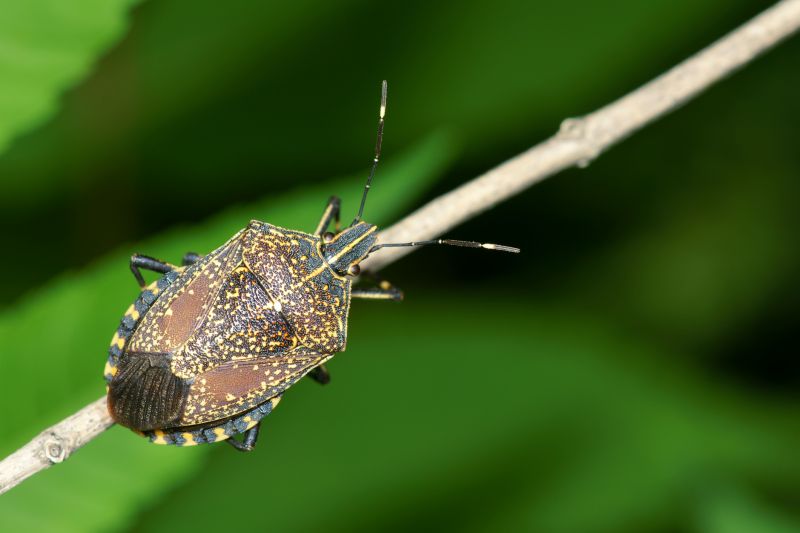
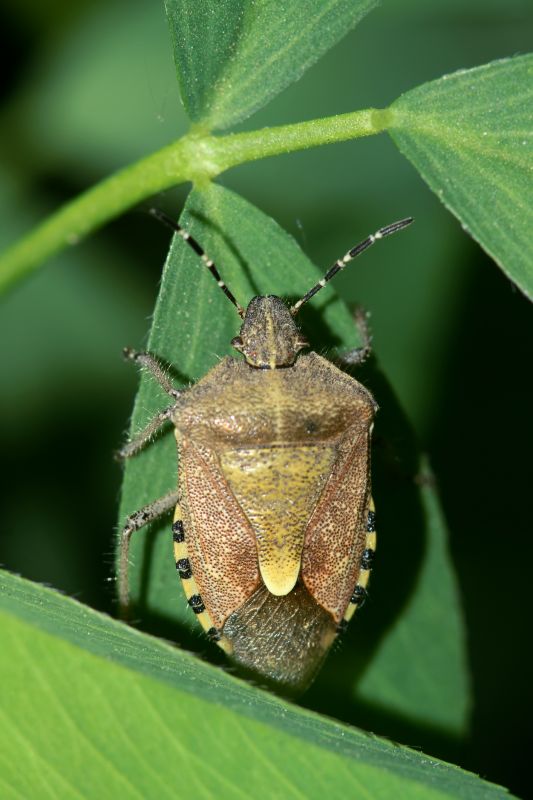
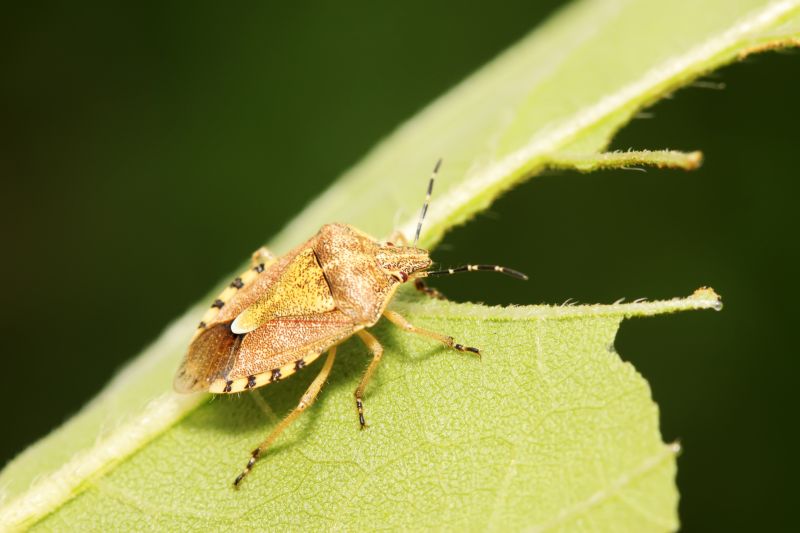
Understanding seasonal stinkbug activity and when control is most effective is a common concern among homeowners experiencing infestations. People often search for this topic when they notice an increase in stinkbugs entering their homes or see them congregating around windows, doors, and vents. The goal is usually to identify the times of year when these pests are most active and to determine the best window for implementing control measures. This information helps homeowners plan their pest management efforts more strategically, reducing the likelihood of ongoing invasions and minimizing the inconvenience caused by these insects.
The issues tied to seasonal stinkbug activity often involve property protection and pest prevention strategies. Homeowners may be dealing with large numbers of stinkbugs seeking shelter indoors during certain months, especially in fall when they seek warmth for overwintering. Many property owners want to understand how to prevent infestations before they start or how to reduce populations once they emerge. These concerns are particularly relevant for residential properties, including single-family homes, multi-family dwellings, and even some commercial buildings with similar entry points. The focus is on timing treatments effectively to coincide with peak activity periods, which can vary depending on the local climate and specific property features.
Properties that typically come up in discussions about seasonal stinkbug activity include homes with easy entry points such as vents, cracks around windows and doors, and gaps in the foundation or siding. Structures with surrounding vegetation, fruit trees, or gardens may also attract stinkbugs, as these insects often feed on plants and seek refuge nearby. Larger properties, such as farms or orchards, might encounter higher populations that can migrate into nearby residential areas. Understanding the layout and landscape of a property helps homeowners and local service providers develop targeted control strategies, especially during peak seasons when stinkbug activity is at its highest.
Local contractors who specialize in seasonal stinkbug control play a key role in helping homeowners manage these pests effectively. They can assess properties to identify vulnerable entry points and recommend appropriate timing for treatments based on local seasonal patterns. Since stinkbug activity tends to increase during specific times of the year-often in late summer and fall-professional service providers are equipped to advise on the most strategic periods for intervention. Working with experienced local pros ensures that control measures are implemented at the right moments, helping homeowners reduce infestations before they become overwhelming and minimizing the inconvenience caused by these invasive pests during their most active months.
Seasonal Pest Monitoring - Professionals who specialize in seasonal pest monitoring can help identify peak stinkbug activity periods and recommend optimal control timing.
Home Inspection Services - Home inspectors familiar with pest entry points can assess vulnerabilities that stinkbugs may exploit during seasonal activity spikes.
Exterior Pest Barrier Installation - Contractors skilled in installing physical barriers can prevent stinkbugs from entering homes during their most active seasons.
Sealing and Weatherproofing Services - Local contractors offering sealing services help block common stinkbug entry points, reducing infestation risk during peak activity times.
Seasonal Pest Prevention Planning - Experts in pest prevention can develop strategies aligned with stinkbug activity cycles to enhance control effectiveness.
Integrated Pest Management Consulting - Service providers experienced in IPM can advise on timing and methods to control stinkbugs effectively during their seasonal peaks.
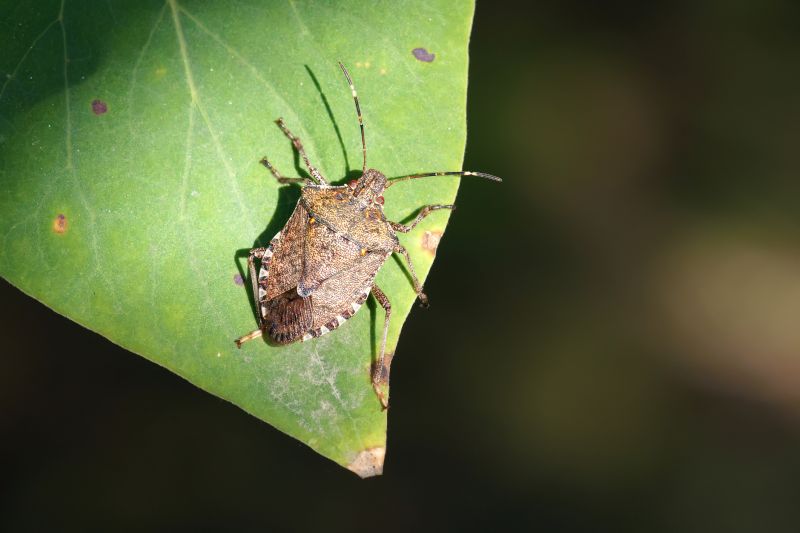
When evaluating service providers for seasonal stinkbug control, it is important to consider their experience with similar projects. Homeowners should look for local contractors who have a track record of handling pest control efforts during peak stinkbug activity periods. An experienced professional will understand the seasonal patterns and know when control measures are most effective, helping to ensure the work is timely and targeted. Additionally, reviewing reputable references or testimonials can provide insight into the contractor’s ability to deliver reliable results and handle seasonal pest challenges effectively.
Clear written expectations are essential when comparing local pros for stinkbug control services. Homeowners should seek detailed descriptions of the scope of work, including the methods and products used, as well as the timing of treatments in relation to seasonal activity patterns. Having a well-defined plan helps prevent misunderstandings and ensures that both parties are aligned on what will be done and when. Good communication from the service provider, including prompt responses to questions or concerns, can also make a significant difference in the overall experience and satisfaction with the project.
Ultimately, choosing the right local contractor involves assessing their ability to communicate effectively and provide transparent information. Homeowners should prioritize service providers who offer clear explanations about when control methods are most effective during seasonal stinkbug activity cycles. A reputable professional will be willing to discuss the seasonal timing of treatments and provide guidance on how to best manage infestations. By focusing on these qualities-experience, clear expectations, reputable references, and good communication-homeowners can make more informed decisions when selecting a contractor to handle seasonal stinkbug control.
Property owners often search for seasonal stinkbug activity and when control is most effective when they are planning practical projects around their homes and businesses. Local pros provide Seasonal Stinkbug Control services for everyday jobs and straightforward project options.
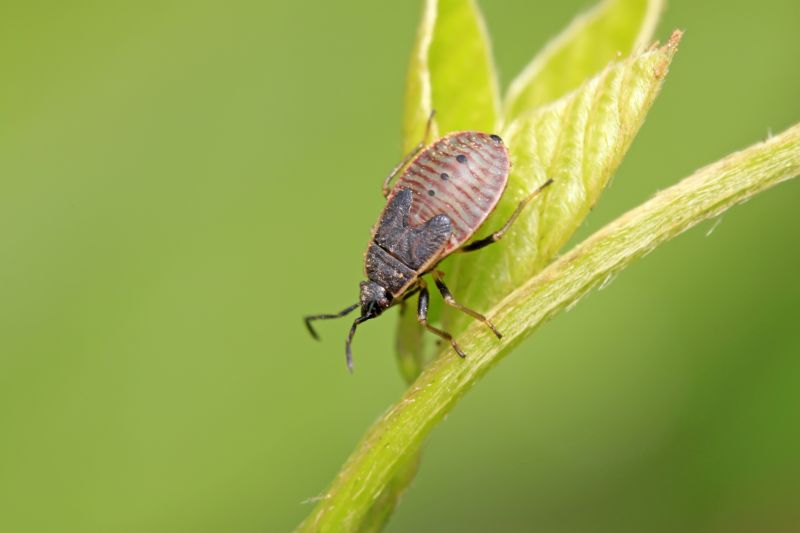
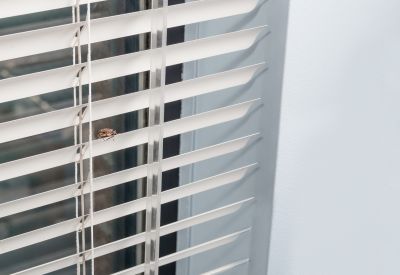
Understanding seasonal stinkbug activity and when control is most effective can help property owners manage these pests before they become a major nuisance. During certain times of the year, especially late summer and early fall, stinkbugs tend to seek shelter indoors to escape the cooler temperatures outside. This behavior often prompts property owners to look into pest control options to prevent infestations and protect their homes. Local contractors who specialize in stinkbug control can provide targeted treatments and preventative measures tailored to the seasonal patterns, making it easier to keep these pests out of the living spaces.
Timing is a key factor when it comes to controlling stinkbug populations effectively. Professionals often recommend addressing the issue before stinkbugs begin to invade in large numbers, typically in late summer or early fall. By working with local service providers during these periods, property owners can implement strategies that reduce the likelihood of an indoor invasion. These experts can offer advice on sealing entry points and applying treatments at the right time, ensuring that control efforts align with the seasonal activity of stinkbugs and help maintain a pest-free environment.
When is seasonal stinkbug activity at its peak? Seasonal stinkbug activity typically peaks during late summer and early fall, when they seek indoor shelter before winter. Local contractors can provide targeted control services during this time to reduce infestations.
Why is timing important for stinkbug control? Timing is crucial because applying control measures before stinkbugs enter homes or reproduce can prevent larger infestations. Local service providers can advise on the most effective periods for treatment.
When do stinkbugs become less active in the year? Stinkbugs become less active as temperatures drop in late fall and winter, making this an ideal period for control efforts to be most effective before they seek indoor refuge.
How do seasonal changes affect stinkbug control strategies? Seasonal changes influence when stinkbugs are most active and vulnerable, allowing local pros to plan treatments during peak activity for better results.
What times of year should homeowners consider professional stinkbug control? Homeowners should consider professional control services in late summer and early fall, when seasonal stinkbug activity is highest and control measures are most effective.
Monitor seasonal stinkbug activity - property owners can schedule inspections with local contractors during peak activity periods to identify infestations early.
Plan treatments around activity peaks - coordinating with local service providers during times of high stinkbug movement can improve control effectiveness.
Implement preventative measures in off-peak seasons - property owners might work with local pros to seal entry points before stinkbug activity begins to reduce invasions.
Stay informed on seasonal patterns - understanding when stinkbugs are most active helps property owners plan timely treatments with local contractors for better results.
If you are thinking about seasonal stinkbug activity and when control is most effective for a property, this guide is meant to help you understand this topic, the typical project types, and how different options might fit your plans.
When you are ready, you can use the quote form on this page to share a few details about your project. From there, local pros can review the basics and follow up with options that match what you have in mind.